Silver vs Gold vs Platinum: Which Metal is Best for My Jewellery Designs?
Updated: Mar 30
Choosing between Gold, Silver and Platinum isn’t just about colour or price; it’s about longevity, lifestyle and value. As jewellers, we’re often asked which metal is “best” for fine jewellery, and the honest answer depends on how you wear it, what you expect from it, and how long you want it to last. Here’s what you should know before making that decision.
In recent conversations with clients in our workshop, something interesting keeps surfacing. The questions weren’t only about style or price, they were also about value.
Is Platinum really better? Is Silver “good enough”? Can you trust big brands? What's the best way to make my design?
One thing is for sure all precious metals sparkle, but they behave very differently over time. Let’s unpack Silver, Gold and Platinum, not from a marketing brochure point of view, but from the jeweller’s bench.
Precious Metal: Silver


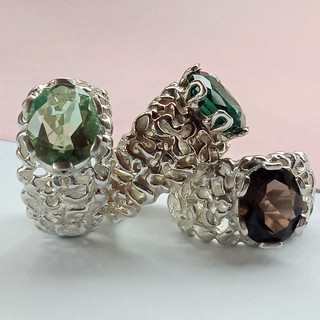
Silver is beautiful, bright and accessible. It allows people to own solid precious metal jewellery designs at a lower entry price point.
Advantages:
It is easy to work with, affordable, a naturally white metal, good to wear daily
It can be designed into a jewel that is formal or very casual
Overtime the patina creates another dimension that adds value to your jewellery design.
Sterling Silver jewellery can be repaired, recycled and remodeled
Disadvantages:
Tarnishes over time, it's softer than Gold
Requires maintenance and professional polishing to restore it
From a Jeweller’s Perspective: Silver is wonderful to work with, but it does wear faster than other metals. It’s perfect for fashion pieces or occasional wear, but for heirloom durability, Gold or Platinum may be more suitable.
Precious Metal: Gold


Gold remains the most balanced choice for longevity and wear-ability. It carries both emotional and material value as it has a pleasing colour that never fails to please.
Advantages:
Durable; especially 9CT, 14CT& 18CT
Resists heavy tarnish but does require a professional polish as a part of
maintaining the jewel
Holds intrinsic value
Never goes out of fashion
Gold can be repaired, recycled and remodeled
Disadvantages:
Higher upfront investment, softer in higher purities eg: 18CT, 22CT and 24CT
Some white Gold alloys require Rhodium plating to achieve a pleasing colour, (Rhodium plating requires replating every 6months to a year to keep the jewel looking white)
Overtime Gold will wear away, especially if it is worn against lower carat Gold, or other harder metals
Sometime the wear and damage makes a piece uneconomical to repair, but the gold content can be offset towards a new design.
From the Jewellers Perspective: Gold offers flexibility. It can easily become an heirloom piece. With regular maintenance, it can last for many years.
Precious Metal: Platinum
Platinum is dense, durable and understated. its steely grey remains untarnished.
Advantages:
Extremely strong, a naturally white colour, (no plating required)
Excellent for stone security.
Platinum does not wear away in the same manner as gold
When scratched or damaged, it displaces rather than lose of material
Ideal for everyday wear.
Disadvantages:
Higher price
The jewel will feel heavier than a Gold or Silver piece in the same design
From the Jewellers' Perspective: Platinum is a long-term metal. That makes it ideal for engagement and wedding rings.

The Quiet Shift: Trust & Craft
One theme we’re seeing more often is a hesitancy toward large commercial jewellery brands.
Clients are asking:
Where was this made?
Is the metal solid or hollow?
Am I paying for the brand name more than the piece?
There is a growing awareness that “luxury” doesn’t always equal longevity.
Handmade, bespoke jewellery is no longer viewed as “expensive” — it’s increasingly seen as considered. As transparent. As accountable.
When you know who made your piece, how it was made, and why it was priced as it was, trust follows naturally.
Keeping Standards High & Prices Fair
From our side of the bench, maintaining our ethics and quality standards while keeping pricing stable where possible, is not always simple. Metal prices fluctuate, and gemstone markets shift. But what doesn’t change is this: The ethics of our craft should not be compromised for the design, nor should gemstone security be sacrificed.
Jewellery isn’t just decorative; it’s made of precious metals and gemstones that add the the symbolic nature of the jewel. It marks moments in your life and carries the memories you create. And that is where real value lives.
There is no universally “perfect” metal, only the one that suits your life best.
The right choice balances durability, budget and how you intend to wear your piece over time. From our bench, we see jewellery years after it left the workshop, (and in the case of Peters' work we continue to see and maintain pieces made during his lifetime career). The pieces that endure are the ones chosen thoughtfully from the beginning. When you understand what you’re investing in, you can wear it with confidence.
Fine jewellery should not only look beautiful today. It should still feel beautiful in 30 years. And that comes down to materials, craftsmanship — and honesty.
If you’re unsure which metal is right for your next piece, we’re here to guide you through the options and help you choose with clarity. Lets chat.

If you found my blog interesting, click and send us a heart 💖


Comments